Free shipping on orders over $99.
Product summary
Product details
Reviews
1 / 14

Espresso

5 Stars
Designed for
Touring
Feel
Responsive
Liner Volume
Low
Product description

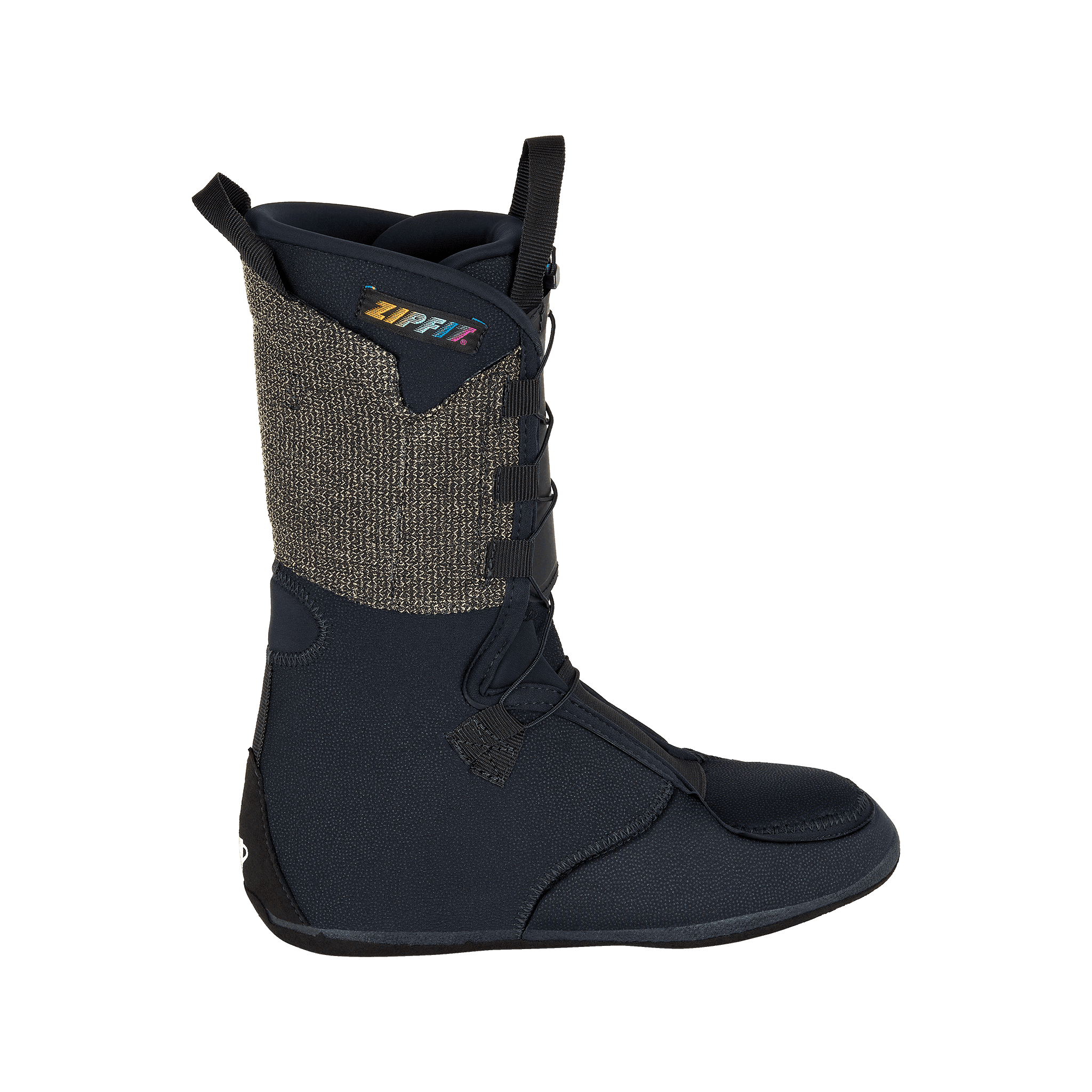
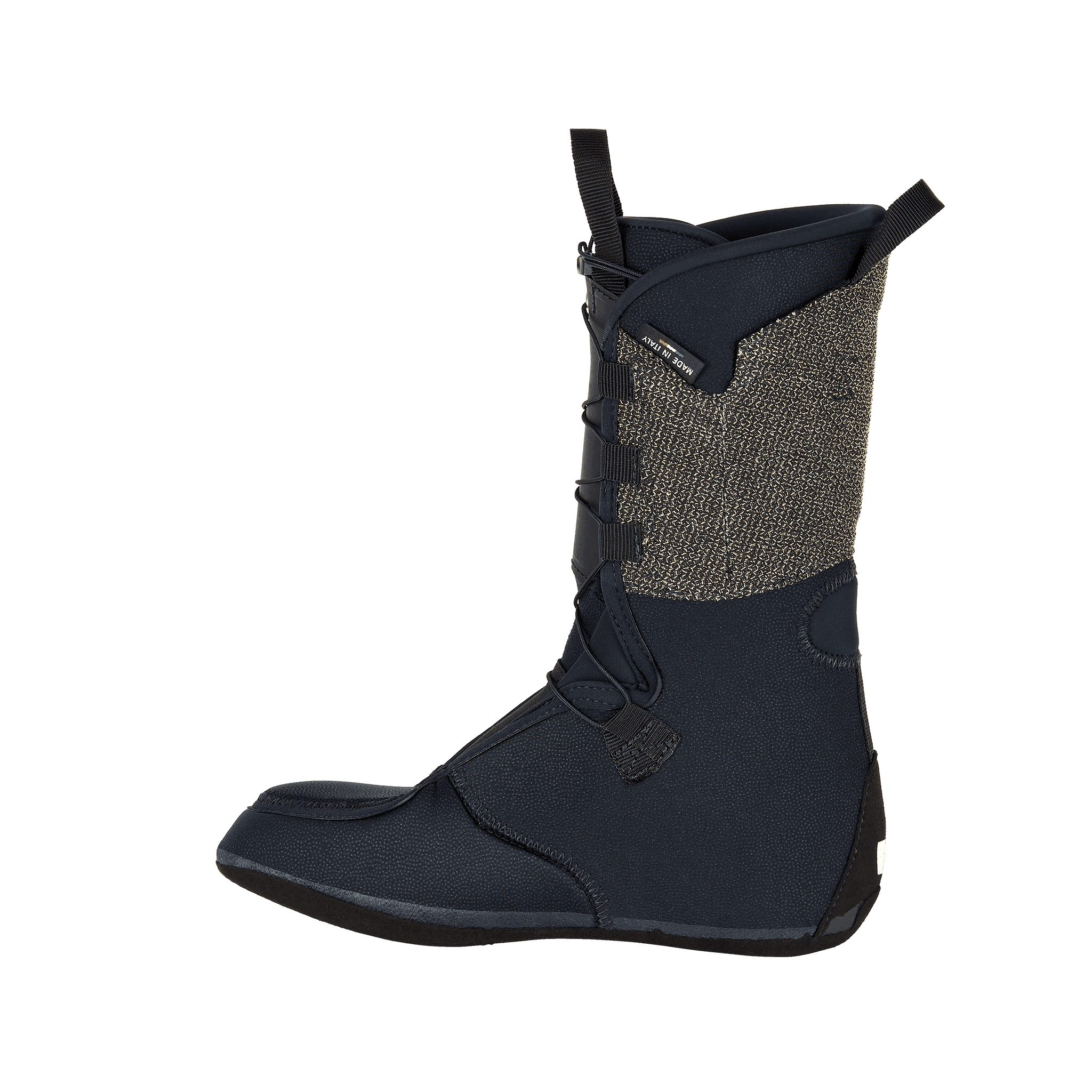
The mission was simple: make the best touring liner possible.

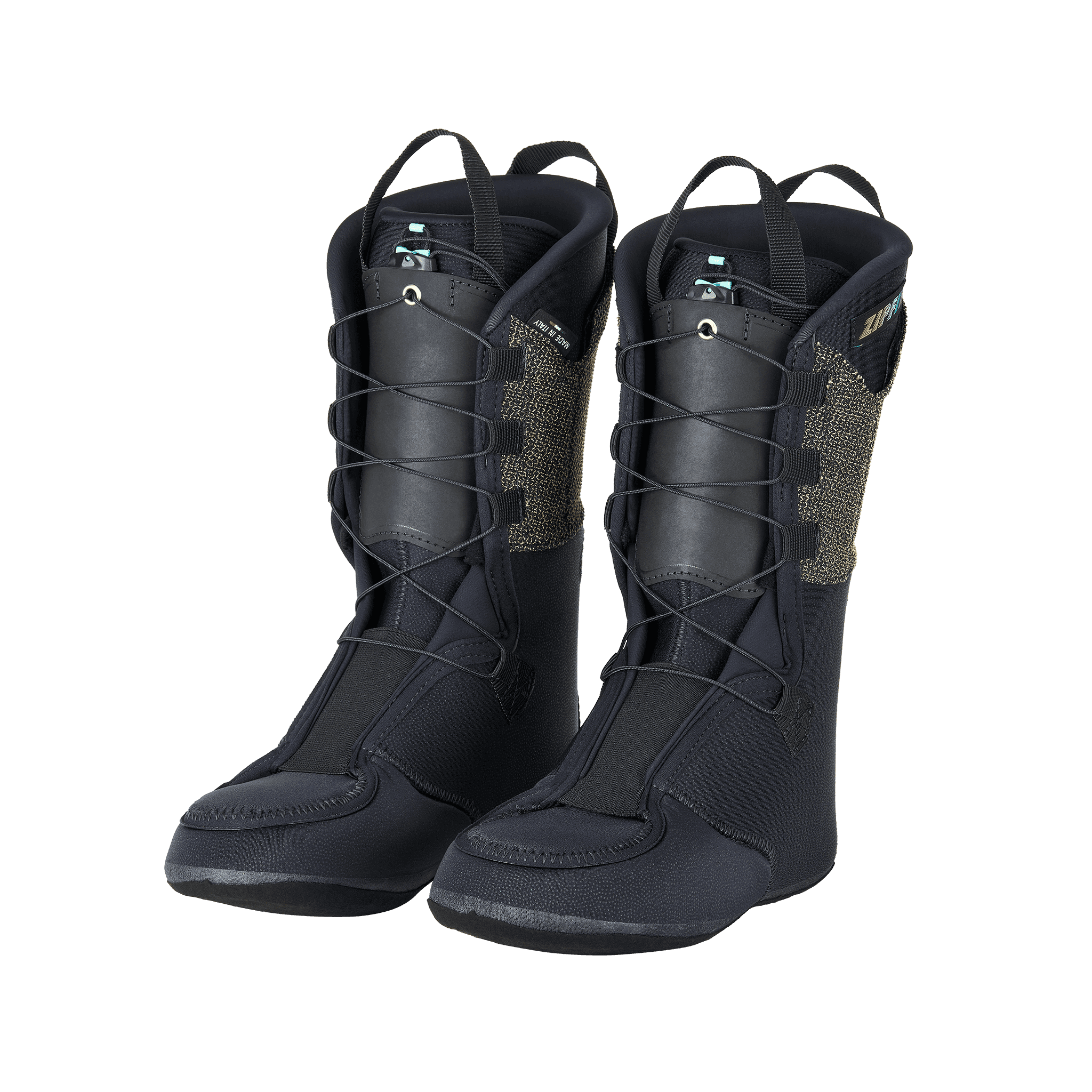
The ZipFit Espresso is lighter weight for longer ski tours and high alpine expeditions. This is the culmination of years of design and testing with the world’s best ski mountaineers. At half the weight of a standard ZipFit, the Espresso will give you some pep in your step and keep your touring boots locked in for seasons to come.

$535
Shipping & Returns

The Espresso has a different return policy than other ZipFit liners. If the Espresso liner is heat molded or skied in, the liner can't be returned for a refund.

Product details

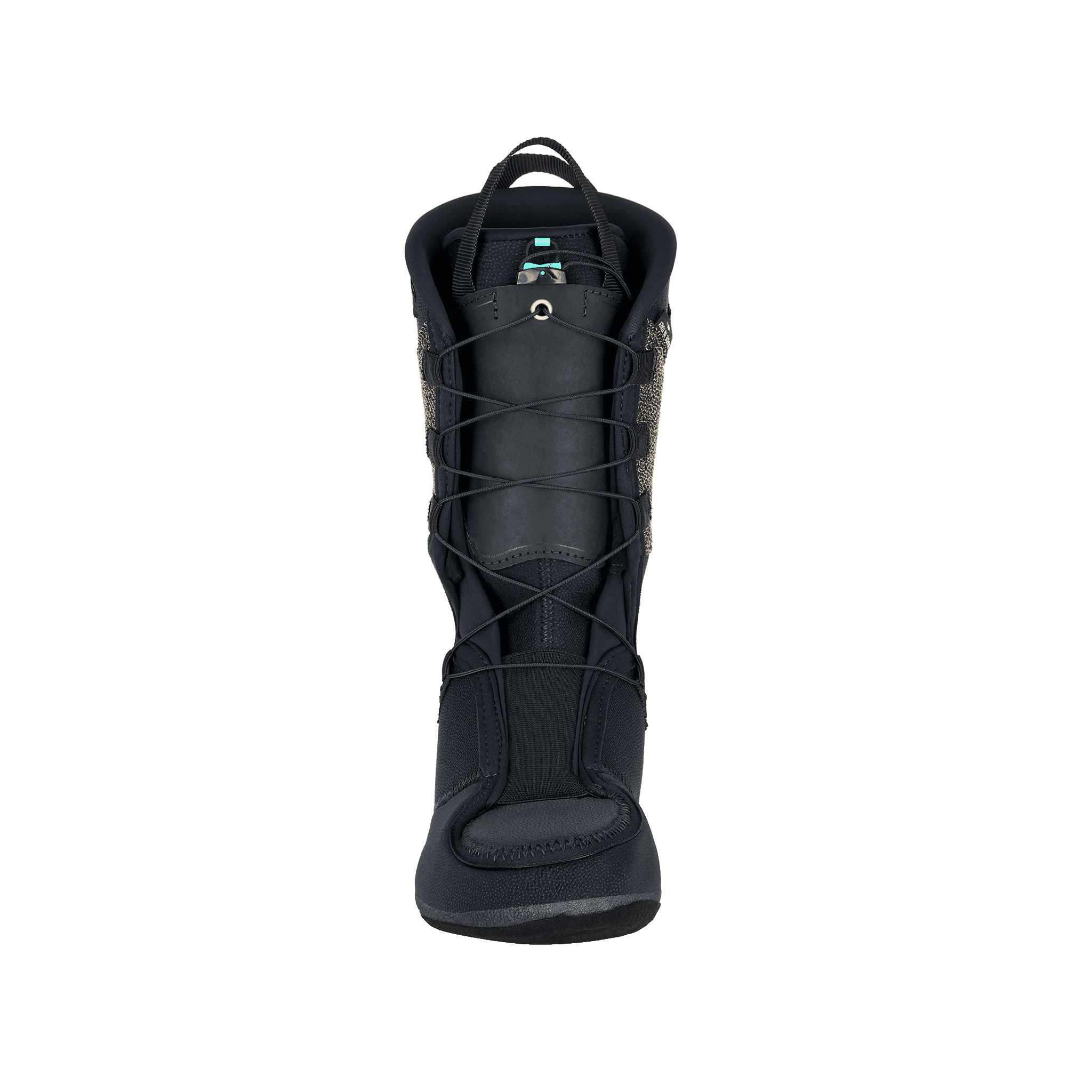
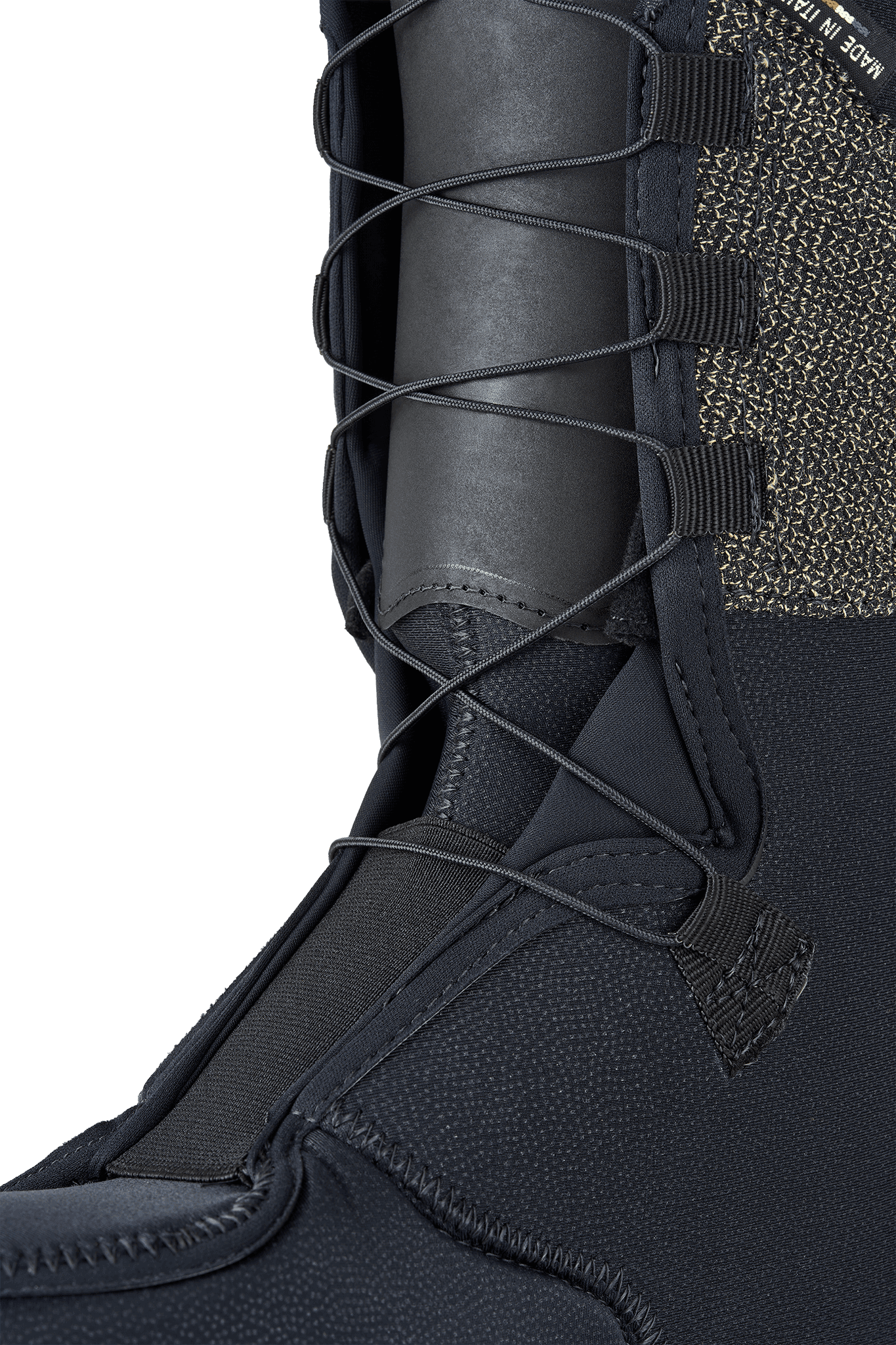
In keeping with the DNA of our alpine innerboots, the flexible foam toe box of the Espresso still allows the forefoot to splay comfortably while also drying out quickly. A Moccasin toe box- tongue integration removes seams over the instep and our signature asymmetrical tongue provides the best interaction with the shin. Espresso innerboots are still fully customizable with cork ports for each ankle pouch and tongue. An innovative cuff pocket allows skiers to adjust the volume of the cuff by adding a spoiler without creating friction points within the boot.

Fit considerations

In a world dominated by gram-counting, we wanted to make sure the fit of the Espresso came first. We did not try to save weight by reducing the amount OMfit cork in the Espresso, instead we fine-tuned the amount of cork to work best for ascending and descending in progressive touring boots. The Espresso is best-paired with touring boots in the ~1000-1250g weight category. Skiers can always add more cork (sold separately) to the tongue or ankle pockets to dial in their perfect fit

Tech Features

Fit and function

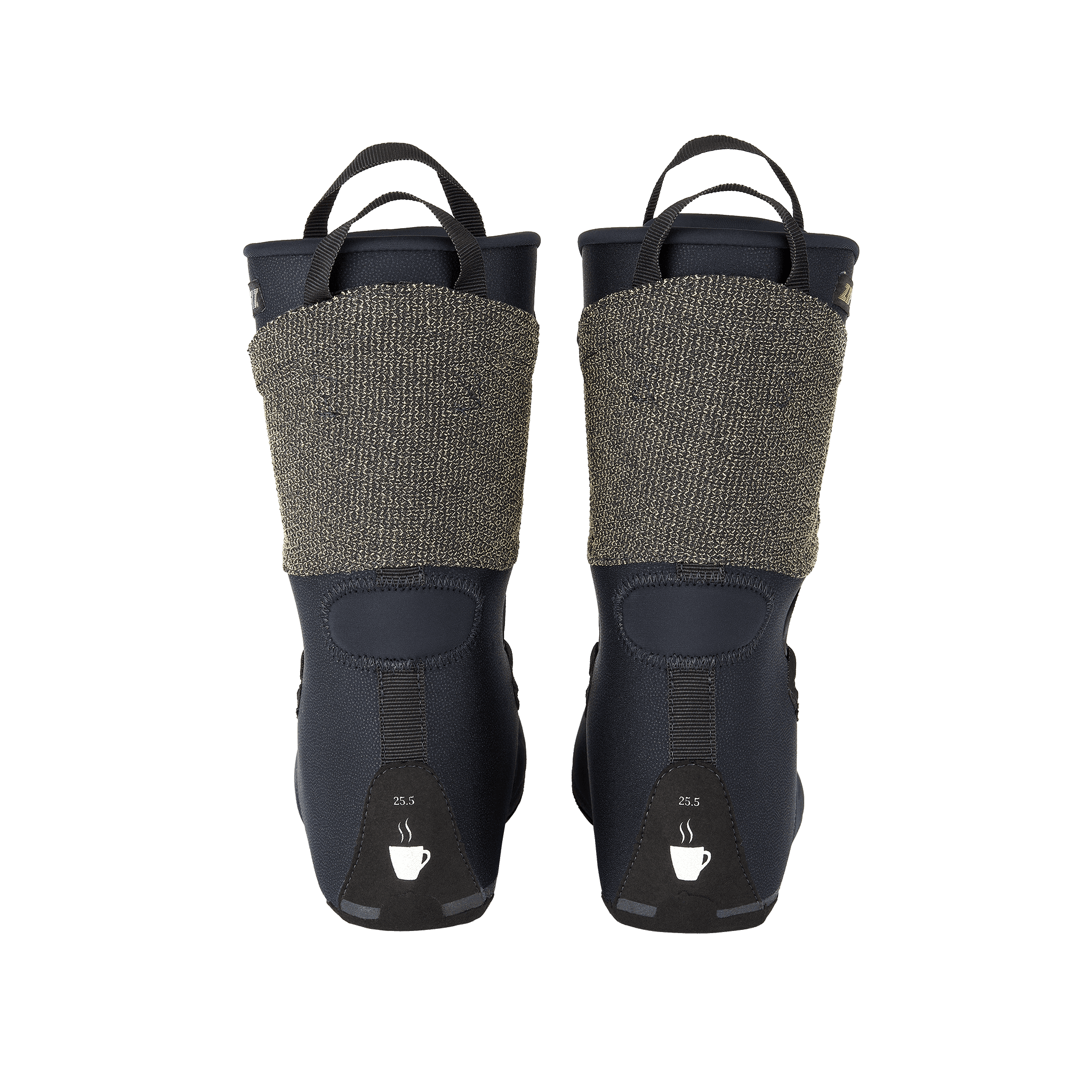
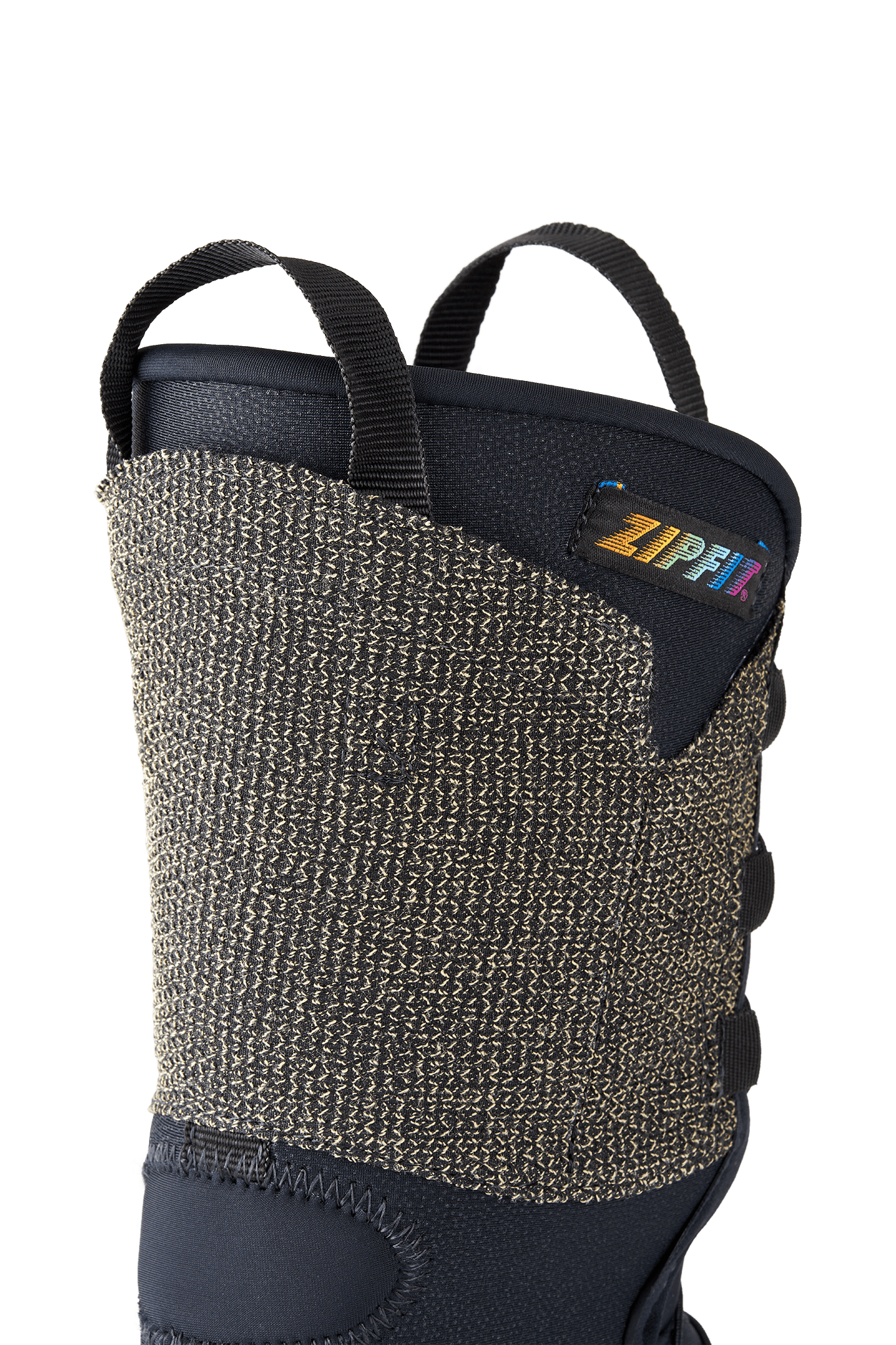
An innovative Kevlar cuff pocket allows skiers to adjust the volume of the cuff by adding a 6mm HDPE foam spoiler (included) without creating friction points within the boot. Excess lace material can also be stowed in the rear cuff pocket.

Sock-like toe box

Flexalon toe box which heat molds to the shape of your feet but also provides stretch to accommodate the width of your feet and is fast drying for skiers winter camping or on expedition.

Asymmetrical tongues


The ZipFit tongue is built to reflect the asymmetry in the shape of the lower leg, with more padding on the medial side along the tibia and less padding on the lateral muscle of the shin. The pull tab should be centered on the leg for the tongue to be in the proper position.

Adjustable cork pouches


Three cork pouches in each liner (located behind the top of the tongue and on either side of the instep) are pre-filled with OMFit cork composite and customizable to dial in your perfect fit.

Abrasion-resistance face fabric


The Espresso is constructed with a lycra stone face fabric on the exterior of the Ultralon foam to prevent abrasion and wear in a high friction environment like a touring boot.

Flex panels and points


Fore/aft flex is about promoting natural movement forward and backwards so that the liner/shell combo doesn't limit a skiers range of motion. A rear flex panel and front articulation points promote natural flexion while ascending but don't compromise power transfer on the descents.

Reviews of the Espresso

8 reviews with an average star rating of 5
Angela Hawse
7 days ago
Verified
ZipFit liners are a game-changer. I’m a bit late to the club, but I’m stoked I finally joined. For decades I tried every Intuition liner available in my ski touring boots, searching for a solution that improved performance both up and down. They all packed out, lost structure quickly after custom boot fitting, and the lacing systems never worked for me. When I learned about ZipFit, I invested in the GFT and put them in my SCARPA Gea RS. From the outset, driving these boots felt like a Porsche compared to an old VW van. I initially had some pressure issues over my high instep, but Jeff was quick to help me resolve them. When he asked if I’d like to test the new Espresso prototype, I jumped at the opportunity. The Espresso is far better suited to my needs, with 95% of my skiing being human-powered. At roughly half the weight of the GFT, it’s much more streamlined, using thinner but burly materials and a smooth profile that slides effortlessly in and out of the shell. This makes a huge difference getting in and out of my small boots (23.5) without having to world-cup into my shells every day. A slick custom insert in the back dramatically improves the fit for my thick lower legs, with minimal added bulk at the cuff—something most liners struggle with. Downhill performance is equally as solid as the GFT for me and easily 20 times better than any liner I’ve used before. The svelte forefoot materials support my high instep with zero pressure points. The Espresso was a solid performer while guiding a ski mountaineering expedition in Svalbard last spring, carrying a heavy pack in variable conditions. It dried faster than anyone else’s liners and was the envy of the trip. I was initially apprehensive about adding cork myself to further customize the fit, but doing so before the trip was incredibly easy—and felt like stepping into a brand-new liner. I’m thrilled that ZipFit has developed a true solution for ski touring. After seeing the rigorous testing and vetting behind the Espresso, I have tremendous trust in both the product and the people behind the brand.
Giray Dadali
8 days ago
This is the liner I've been waiting for! I've worn my zipfit gara liners since 2015 and it revolutionized my boot fit and performance. As of recent years, I've needed a liner that could deliver a similar performance to the gara but come a lighter weight to help me ski the way I want with much bigger ascents. The espresso delivered! I spent half of the 24/25 season in this liner and the first half of 25/26 so far putting it in my touring boot. I have not yet found a ski touring boot that delivers the performance of a downhill, but when I add this liner to my salomon shift 130 boot it was essentially a turbo boost of performance. It wasn't just that it made the boot stiffer, it increased the ankle support, heel hold, control & power transfer, and it isn't packing out. I can still add cork which I LOVE. My stock liner packed out after about 3 days skiing and I was slopping around. Regarding the GFT vs Espresso, this is how I see the split. If you're looking for putting a liner in a hybrid boot where you spend significant time inbounds/resort skiing, some touring, but also want very high performance on the downhill, go GFT. If you have a dedicated boot for ski touring (you hardly ski it inbounds) and you care about the uphill weight as much as the downhill performance, go Espresso.
Thor Retzlaff
9 days ago
Verified
I’ve spent most of my life in ski boots. Long days. Cold mornings. Too many transitions. Enough time to know when something’s working—and when it’s just another thing you’re tolerating. The ZipFit Espresso liners fall squarely into the working category. What I noticed first wasn’t stiffness or warmth or performance buzzwords—it was quiet. My feet stopped moving where they shouldn’t. My heels stayed planted. I stopped thinking about my boots and started skiing again. That’s usually the tell. They strike a balance I care a lot about: precision without pain. I get clean edge engagement and solid feedback, but I’m not paying for it at the end of the day. Whether I’m lapping lifts or pushing through a long tour, the liner feels supportive without feeling like it’s fighting me. The cork compound is real. Not marketing real—actually real. Day after day, it holds its shape. No mid-season slop. No slow degradation. Just the same fit, run after run. That kind of consistency builds trust, especially when you’re skiing consequential terrain or stacking big days. Warmth has been solid too. Not bulky, not overdone—just enough that my feet aren’t the limiting factor when it’s cold and windy and you still want another lap. What I appreciate most is that the Espresso doesn’t try to be louder than the rest of my system. It adapts to my foot, my shell, my style. Once it’s dialed, it feels personal—like something that’s been skied in, not just worn. These aren’t liners you replace every season. They’re liners you commit to. And if you spend enough time on snow to care about feel, longevity, and trust, that commitment makes a lot of sense. Highly recommend ⚡️
Cody Townsend
12 days ago
Verified
The best all around touring liner ever made. A liner this light shouldn't have the downhill performance it does but somehow it's as good on the up as the down. Despite it's thinness it's incredibly warm and breathable, far superior to any other liner I've skied. The customization of cork with the tongue and heel pockets adds an incredible fit and heel hold. I can't say there is anything that I'd want added to this liner or taken off. It's got the performance of the GFT but the weight of a light touring liner. The do it all liner.
Max Ritter
12 days ago
Verified
I'm POWDER Magazine's gear editor and I test a LOT of gear. This winter in the Tetons, I’ve been on the new Espresso liner in both the 4-buckle Tecnica Zero G Tour Pro and Dynafit Blacklight 2.0 ski touring boots to get a feel for how it works across a wide spectrum of popular ski touring boots, on long tours with demanding descents. In short, I’ve been truly impressed with these from a performance and durability standpoint and think this might be the best custom ski boot liner for light ski touring boots.
Kyle Siegel
last month
Verified
I have been on an ongoing journey to find the perfrect ski touring liner and have tried after market liners from Intuition, Palau and Sidas as well as a lot of the higher end stock liners from Tecnica, Atomic and Scarpa. When I heard about the Espresso brewing, I begged Jeff from Zipfit to let me test it and was so pumped when he said yes. I received one prototype last season and then I got a production version to take to New Zealand this fall, which I have subsequently used on all my ski tours so far this season. The first proto of the Espresso walked very well and was very comfortable, but I was disappointed in the ski performance and found myself reaching for other liners. I had high hopes for this liner so I was worried....Then I got the production version in October, took it to New Zealand and could immediately feel all the issues I had with the first version were fixed. I am SO stoked on this liner. It hits the perfect balance of weight, walkability and ski performance, that I want in a ski touring liner. The material updates are also so nice; the inside is more breathable and faster drying than the other Zipfit liners. The lace system is great as well. I use this inside my Tecnica ZGTP, but it also fits in my Scarpa F1 LT's. I have wanted to see a liner this balanced in the market for a long time. It will be the liner I use for everything except when I am taking the ZGTP traveling and will be resort riding I might also bring a GFT along. For those of you deciding between the GFT and the Espresso, I think there is absolutely room for both in the quiver, but for anyone touring in it over 50% of the time, I would absolutely choose the Espresso.
Noah Dines
last month
Verified
Touring liners matter! After years of chasing weight and constantly ripping through liners the espressos have been a revelation for downhill performance in light touring boots. For skinny calf endurance folks like myself the lacing system is game changing! They walk incredibly well and bring my boots downhill performance up a full weight class!
Matthew Tufts
last month
Verified
I first used the ZipFit Espresso on a two-week ski mountaineering expedition in Southern Patagonia and it fundamentally changed my view on liners. I've always used lightweight boots for these trips. The approaches are long (like 80+ km long...) the climbs are steep, the skiing is technical. I sacrifice a certain degree of skiability for the comfort of a boot I'll be living in for more than two weeks. Pairing the Espresso with a lightweight boot (Scarpa F1 XT) stepped up the boot's ski performance to a shocking degree while mainting the same degree of walkability, comfort, and climbing precision I'm used to in a lightweight liner. It's the perfect combination of precision on the up and down. I've since skied upwards of 40 days in the Espresso, pairing it with a variety of different boots (F1 XT, Maestrale RS, Quattro Pro), and have found that in every boot--from lightweight to hybrid--it dramatically improves ski performance while offering the walkability of a lightweight liner. Sure, it's heavier than a stock liner; but it skis much better, tours smoother, and climbs more effectively than any after-market liner, not to mention it'll last much MUCH longer. I went from not really caring about my liners to becoming a wholehearted ZipFit evangelist to all my ski partners.